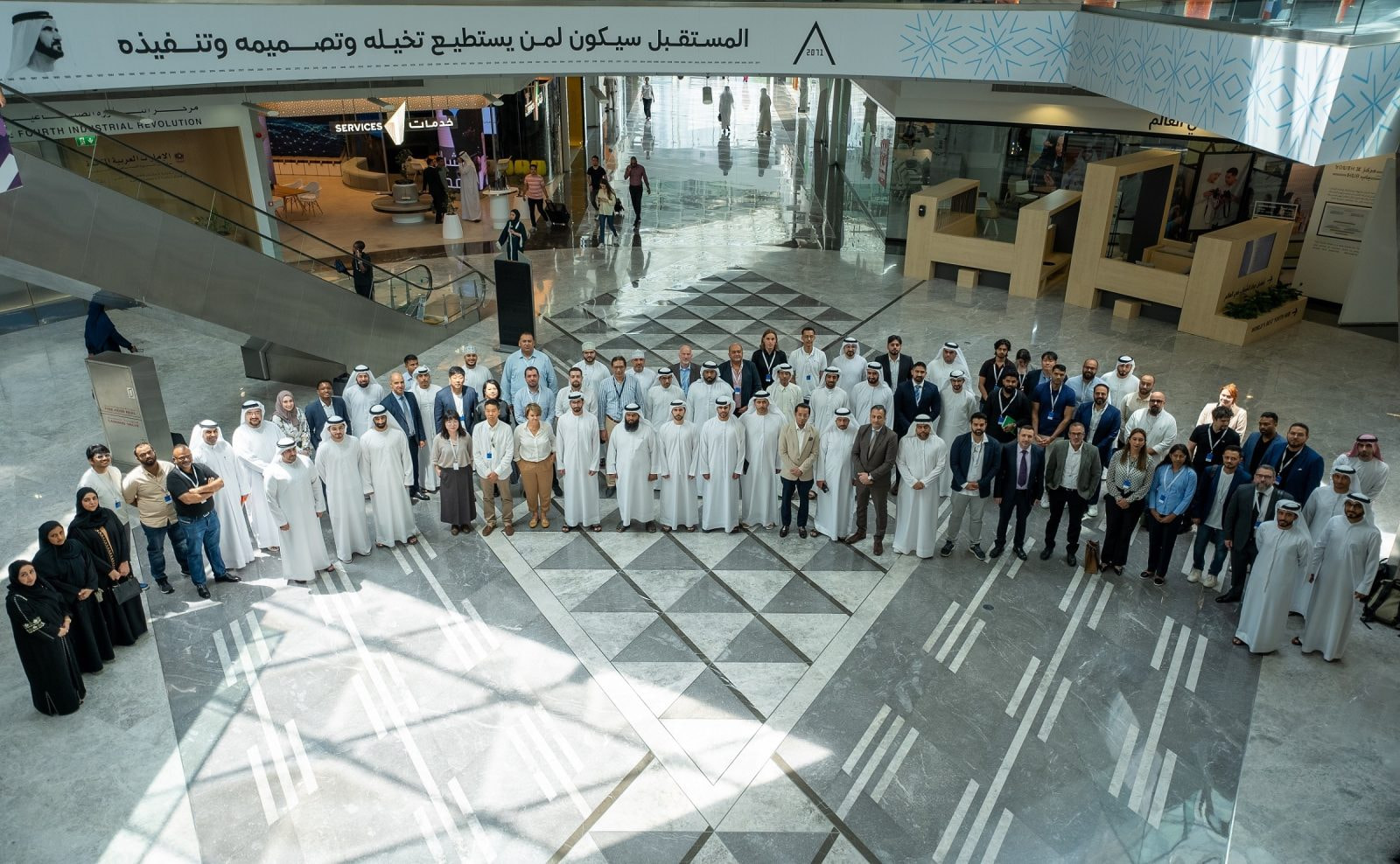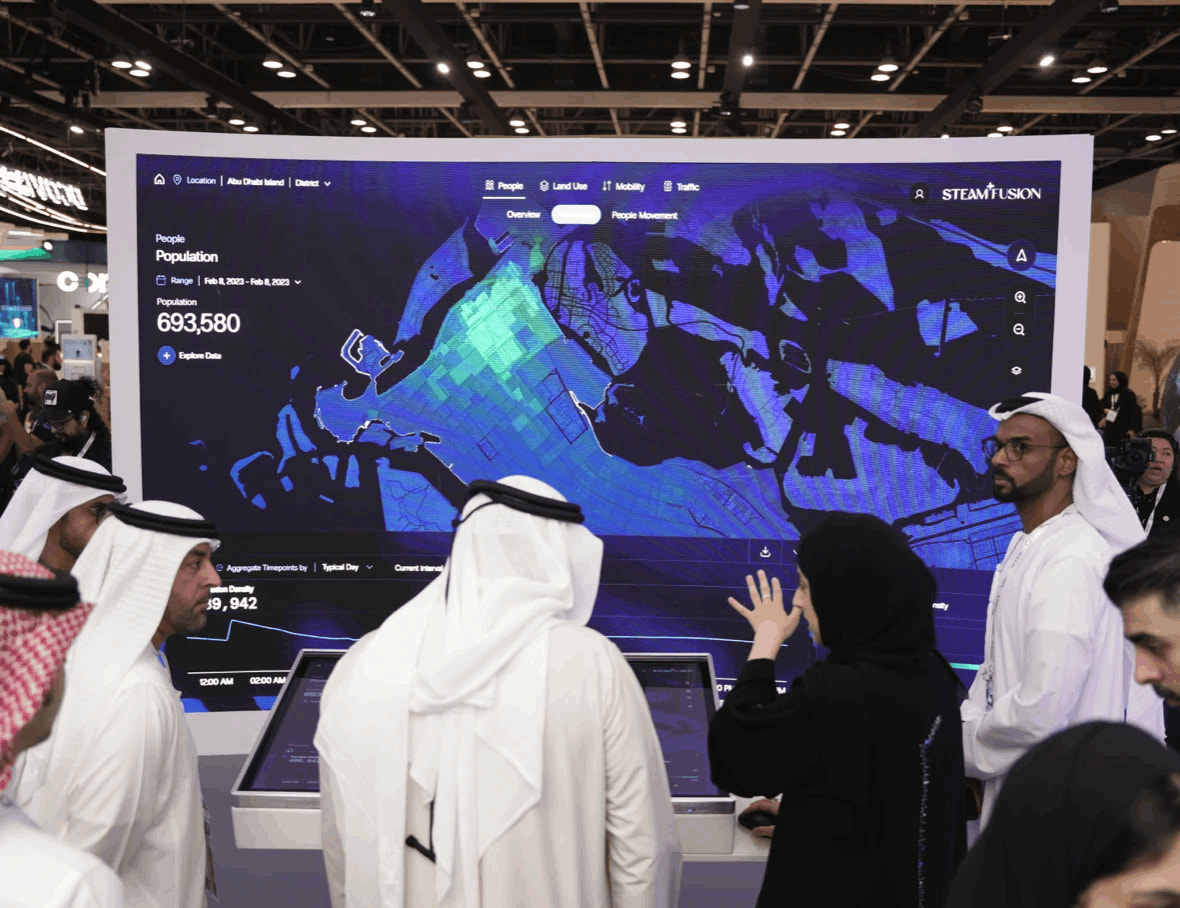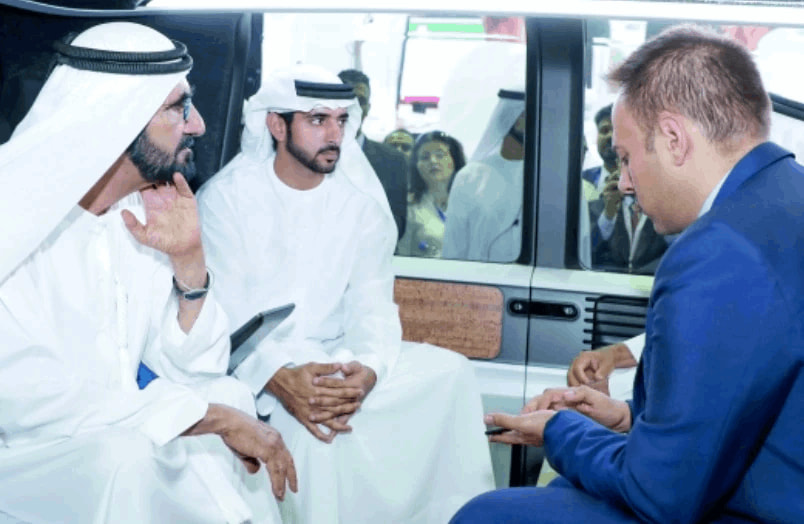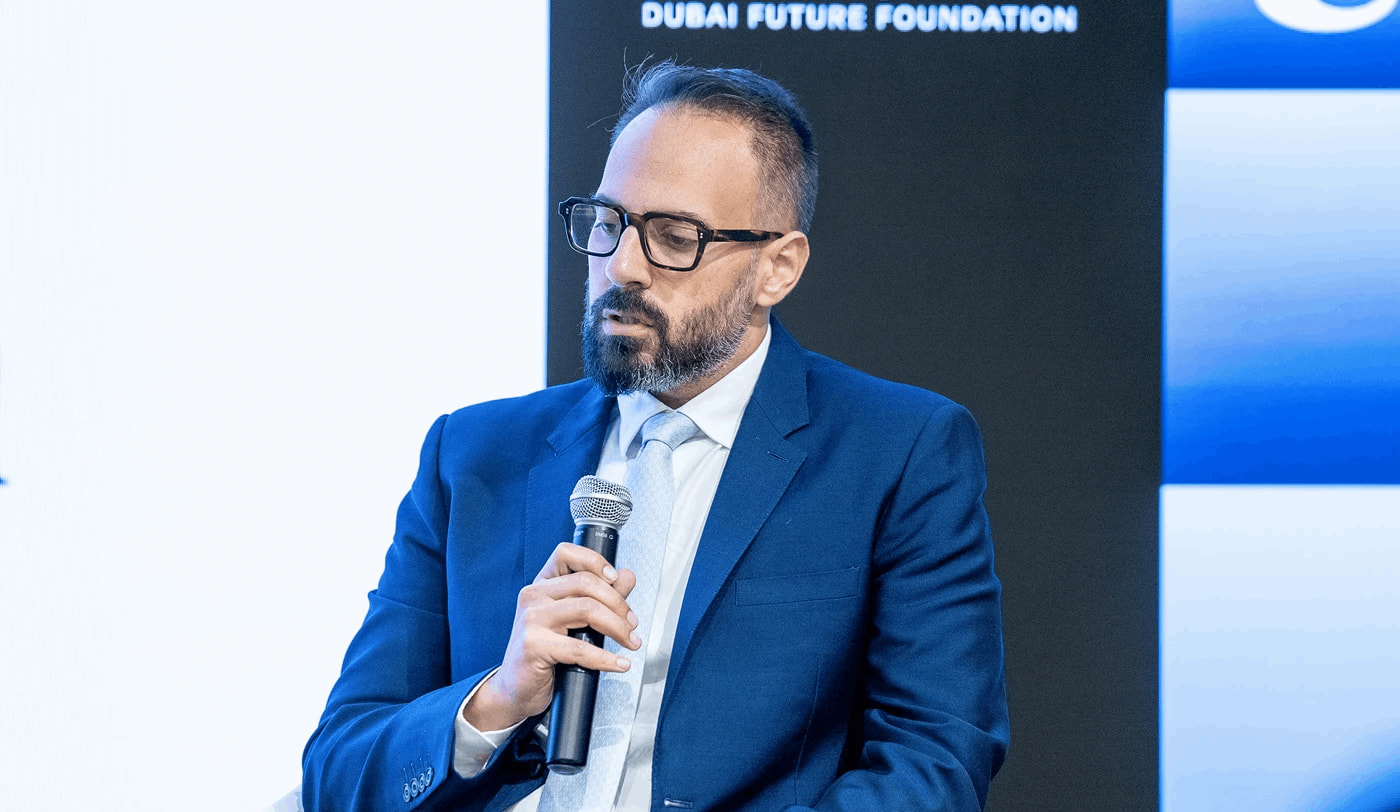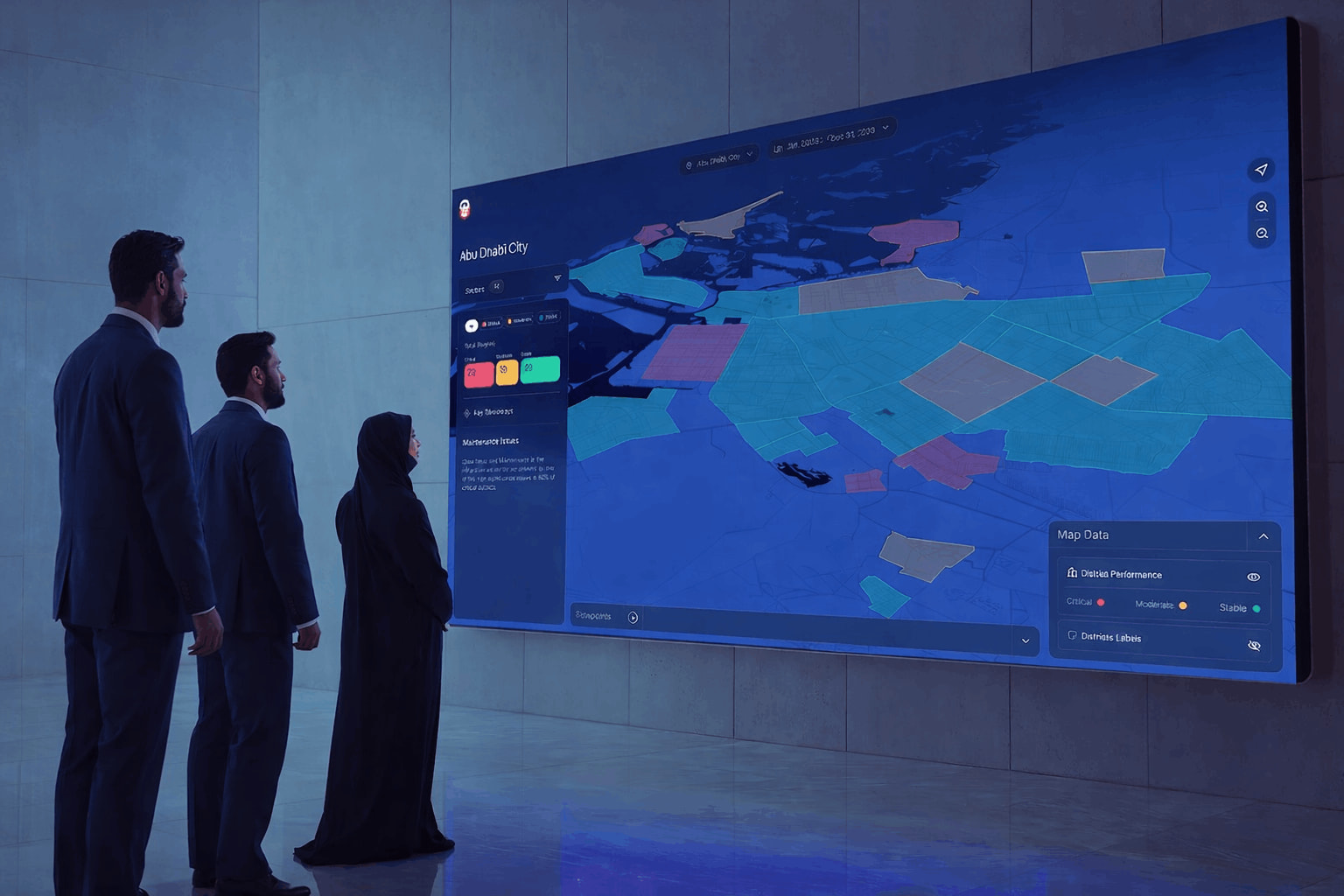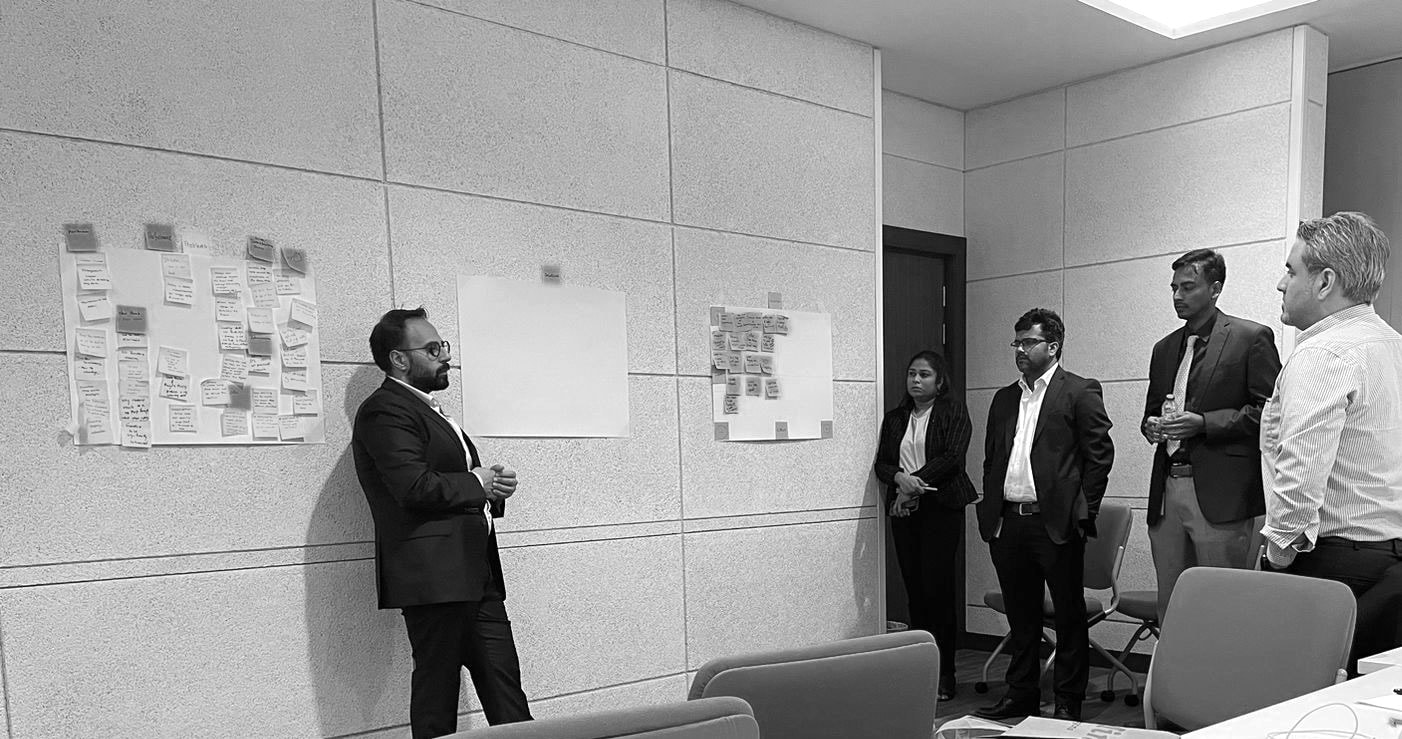
During a workshop in UAE

Pixonal was founded in 2016 upon a simple yet profound realization: organizations possess vast amounts of scattered data, yet decision-makers struggle to convert raw information into meaningful direction. Early successes in government projects and sector-wide deployments validated our approach — proving that leaders didn’t merely need more data; they needed a cohesive, living environment where data could speak to them through clear, purposeful stories.
Pixonal was founded in 2016 upon a simple yet profound realization: organizations possess vast amounts of scattered data, yet decision-makers struggle to convert raw information into meaningful direction. Early successes in government projects and sector-wide deployments validated our approach — proving that leaders didn’t merely need more data; they needed a cohesive, living environment where data could speak to them through clear, purposeful stories.
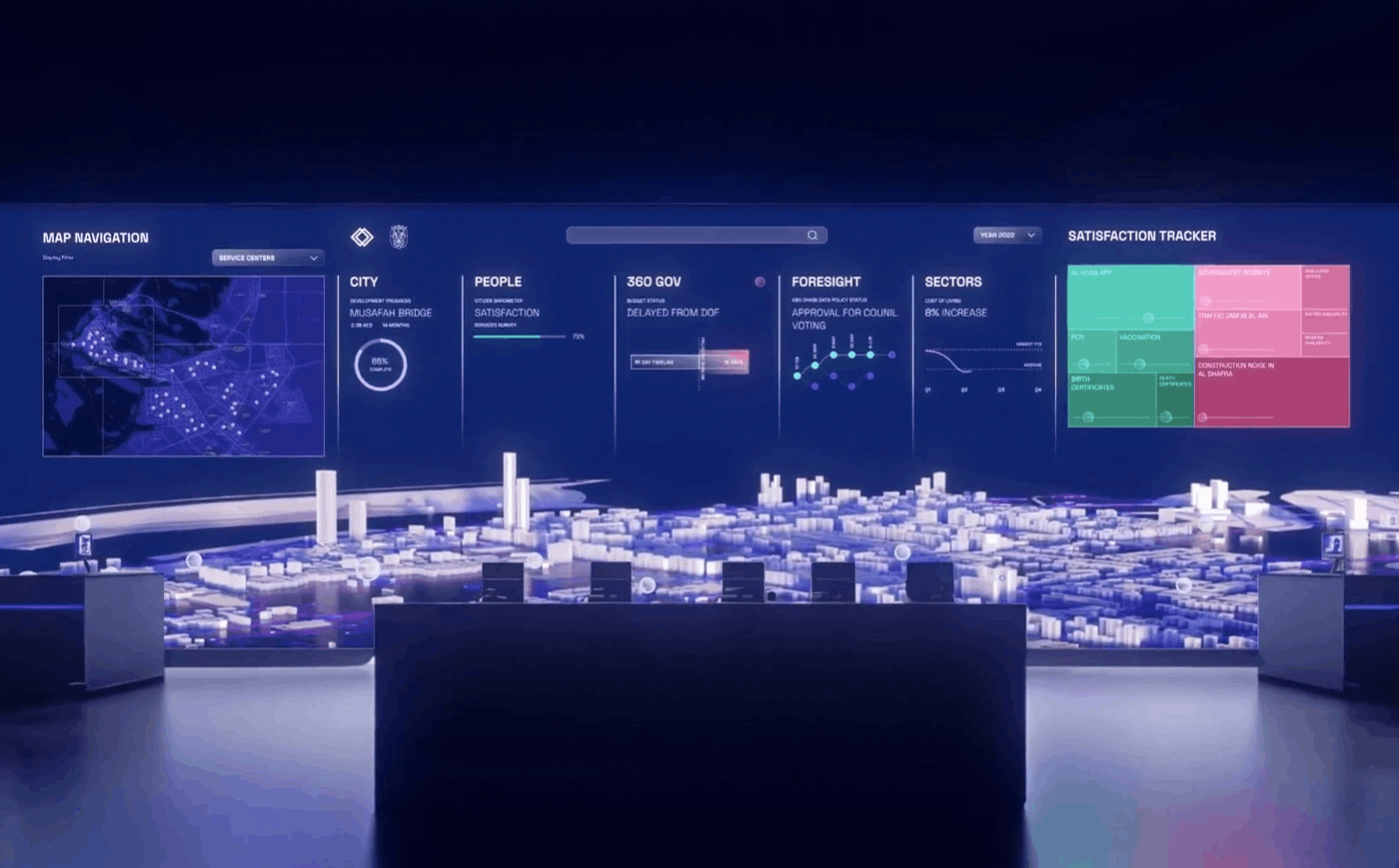
In an era of fast-evolving technology, our commitment to research and development is critical to staying ahead. Pixonal’s R&D initiatives delve into advanced AI-driven storytelling, immersive 3D visualizations, and real-time simulation engines capable of processing massive data sets at speed. By partnering with academic institutions, innovation labs, and global consultancies, we develop next-generation solutions that blend automation with human insight.

Connecting tax, customs and trade intelligence for leadership decisions.

Bringing government-wide intelligence into one leadership operating picture.

Turning complex government information into executive intelligence.

Connecting urban development, infrastructure and services to shape city growth.

Turning government priorities into decision-ready executive briefings.

Aligning government policy, entities and performance for leadership decisions.

Partnering on decision intelligence for government and enterprise clients.

Connecting mobility data and simulation to understand network change.

Partnering on governed intelligence for leadership environments.

Connecting global economic signals to their impact on the Kingdom.

Using global data to design and measure interventions.

Connecting competitiveness and economic indicators to Dubai’s global position.

Turning large-scale workforce data into actionable intelligence.

Connecting environmental signals into one leadership operating picture.

Connecting mobility, land use and simulation to plan Abu Dhabi through 2050.